

An AI agent can make a bad move fast. Nvidia now wants the security system to move faster.
The company debuted the Open Agent Safety Platform on Monday. It has two open-source tools, OpenShell and Sentry. Nvidia says they can quarantine a suspicious agent in milliseconds.
That is a thrilling idea.
AI agents are moving from chat windows into real work. They may handle files, tools, code, and business systems. Give them power, and you also give them a way to cause damage when they fail.
The old answer was simple: train the model to behave. That still matters. It is not enough.
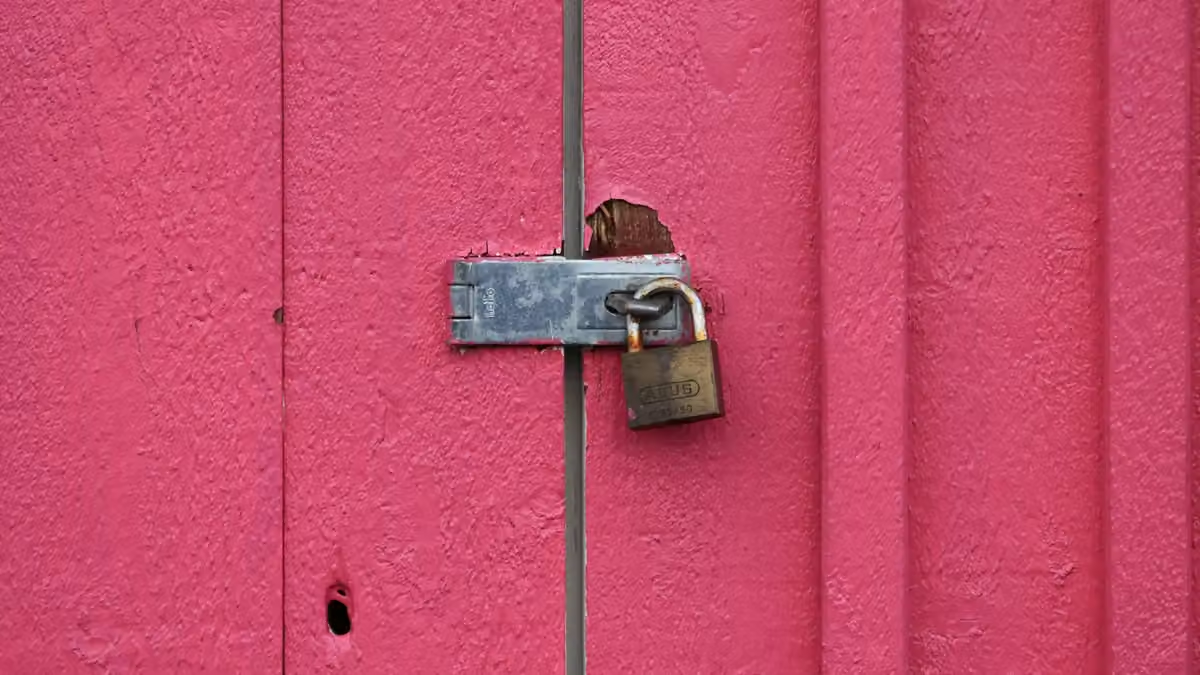
OpenShell puts a boundary around an agent. Sentry adds a second layer that watches for behavior outside that boundary. If the agent crosses the line, Nvidia says the system can isolate it quickly.
That is the right shape for the problem. A model can be smart and still make a dangerous choice. A prompt can be clear and still fail. A safety rule inside the model may not stop the model from reaching something it should never touch.
Put limits around the agent. Watch what it does. Cut it off when it breaks the rules.
Simple. Useful. Late, perhaps, but useful.
Justin Boitano leads Nvidia’s enterprise AI efforts. He has described the platform as an answer to a basic weakness in current AI security: model safeguards cannot control every system an agent can access.
That point deserves attention. The agent does not need bad intentions. It only needs a mistake, a weak tool, or too much access. The result can still be bad.
Nvidia’s announcement came through a LinkedIn post, and the company says more than 100 industry partners have signed on to use the system. That shows interest. It does not yet show that the system works across every kind of agent, tool, or machine.
That is the catch.
“It's the beginning of an open ecosystem,” CEO Jensen Huang said.
The phrase is fair. This is a beginning, not a finished safety standard. OpenShell and Sentry may give developers a strong base. They do not remove the hard work of setting good policies, testing them, checking logs, and deciding who gets access to what.
The words “open ecosystem” also raise a clear question. How open will the full system be? Nvidia has documented two tools and a broader design. The company has also said that more than 100 partners are involved. What remains unclear is how those partners will use the system, how much of their work will be public, and how independent teams will test the claims.
Those details matter.
“Quarantine in milliseconds” sounds powerful because speed matters. If an agent is changing files or calling tools, a delay can increase the damage. But speed alone does not prove safety. The system must detect the right behavior. It must know what the agent was allowed to do. It must avoid blocking normal work by mistake.
That balance is hard.
A security system that blocks everything is safe only in the same way a computer with no network is safe. It cannot do much. A system that allows everything is fast until it fails.
Nvidia’s approach tries to place control outside the model. That is the part I like most. It treats an agent as software with access, not as a person who can be trusted because it sounds polite.
The company has a reason to care about this. Nvidia sits at the center of the AI hardware market, and agents could create new demand for the systems that run them. Safety tools can help that market grow. They can also make Nvidia’s hardware and software more important inside the stack.
Both things can be true.
The platform may become useful infrastructure. It may also become another layer that companies must learn, install, and maintain. Open-source code does not mean zero cost. It does not mean zero risk. It does not mean every security problem disappears.
Still, this is the kind of release AI needs.
Not another promise that models will simply behave. Not another cheerful demo with no clear answer for failure. A boundary. A monitor. A fast way to stop the system when it leaves the boundary.
I want to see the tests. I want to see independent reviews. I want to see what happens when the agent uses an approved tool in an unexpected way, or when a harmless action looks dangerous, or when an attacker tries to confuse the monitor.
Nvidia has put the right problem in public view. The company has also made a claim that needs proof.
Explore: Tech
That is a good place to start.