

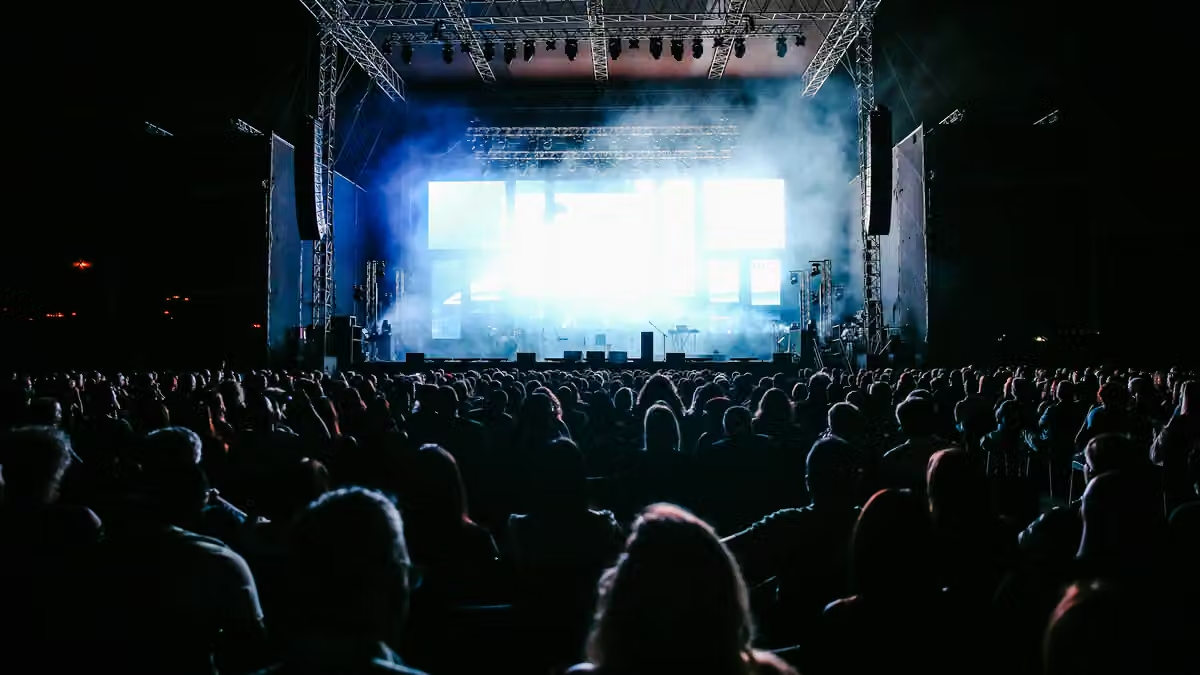
New York City will give away 70,000 Metropolitan Opera tickets as city residents argue over what deserves help first.
Mayor Zohran Mamdani announced the plan on September 24. The program, called “Opera for All,” will release 10,000 tickets each month during the 2026-27 season. Residents can enter a lottery through the city or the Met’s app.
The basic offer is simple. New Yorkers who have not bought a Met ticket since 2019 can try to get one. The tickets will cover every section of the house except standing room.
The reaction was not simple.
The announcement drew fierce criticism from people who saw the number before they saw the program. Seventy thousand tickets is a large figure. Put next to any city problem, it can look like a dare.
That is why the argument caught fire. The fight is not really about whether opera is good. It is about what a mayor should put first when a city still has urgent needs.
The critics’ case is blunt. Free opera tickets sound like the kind of public choice that asks residents to admire the building before asking whether the building is serving them. They see a city helping people reach an expensive cultural institution when other needs appear harder to ignore.
That reaction is easy to understand.
The city says the tickets are being provided through a long-term partnership with the Metropolitan Opera. The mayor’s office says the city will promote and help distribute the tickets. The Met is releasing the seats, and the city has not said that public money is buying them.
That detail changes the argument, but it does not end it.
A program can cost taxpayers little or nothing and still raise a question about time, attention and political judgment. The city is putting its name behind this offer. It is using public agencies and city channels to promote it. That makes the program a city choice, even if the tickets themselves are not a city purchase.
The mayor’s argument is also clear. Culture should not belong only to people who can afford it. The Metropolitan Opera is part of New York’s public identity, but its doors can feel closed to anyone who has never had the money, habit or reason to enter.
Free access can change that.
The Met says the 70,000 tickets represent about 10 percent of the season’s total. The program will include productions such as Macbeth, Lincoln in the Bardo and La Bohème. The city plans to promote the lottery through public schools, libraries, public housing, social services and CUNY.
Those details show an effort to reach people beyond the usual audience. They also make the backlash harder to dismiss as a fight over rich people getting richer. The plan is meant to bring first-time visitors into the opera house.
But access is not the same as need.
A free ticket does not make the rest of the night free. A resident may still need transportation, child care, time away from work or a reason to believe the invitation is meant for them. The lottery may open a door. It does not erase every barrier around it.
The city has also not documented how many people will enter, how tickets will be used, or whether the program will build a lasting audience. It is not yet clear how many winners will attend their performances or how the city and the Met will measure the result.
Those gaps matter because the plan is expected to continue in future seasons.
The Metropolitan Opera has its own reason to welcome new audiences. The company is trying to show that it belongs to the whole city, not only to people who already know the customs. A free seat can help make that case.
Still, the public argument has moved faster than the policy details. Online, the documented reaction turned the ticket count into a symbol of misplaced priorities. The jokes were louder than the fine print. Supporters saw a rare attempt to make high culture less closed. Critics saw a mayor spending political energy on a luxury before proving he could handle the basics.
The room split quickly.
And the quiet part is the cost question. Not the price of the ticket. The price of asking people to celebrate access when they are still waiting for proof that the city can meet more immediate demands.
I do not think free opera tickets are an insult by themselves. A city should make room for art. New York would be a poorer place if every public choice had to be defended only through rent, transit or emergency care.
But a mayor cannot decide the meaning of a program alone. The meaning comes from the moment around it. Seventy thousand free tickets can look generous in one city and careless in another.
For Mamdani, the test will not be whether people enter the Met once. It will be whether this partnership can show that cultural access belongs beside the city’s hard work, not in place of it. The tickets are real. So is the irritation they caused.
The lottery will decide who gets a seat. The city still has to show why this was one worth offering.
Browse: News